
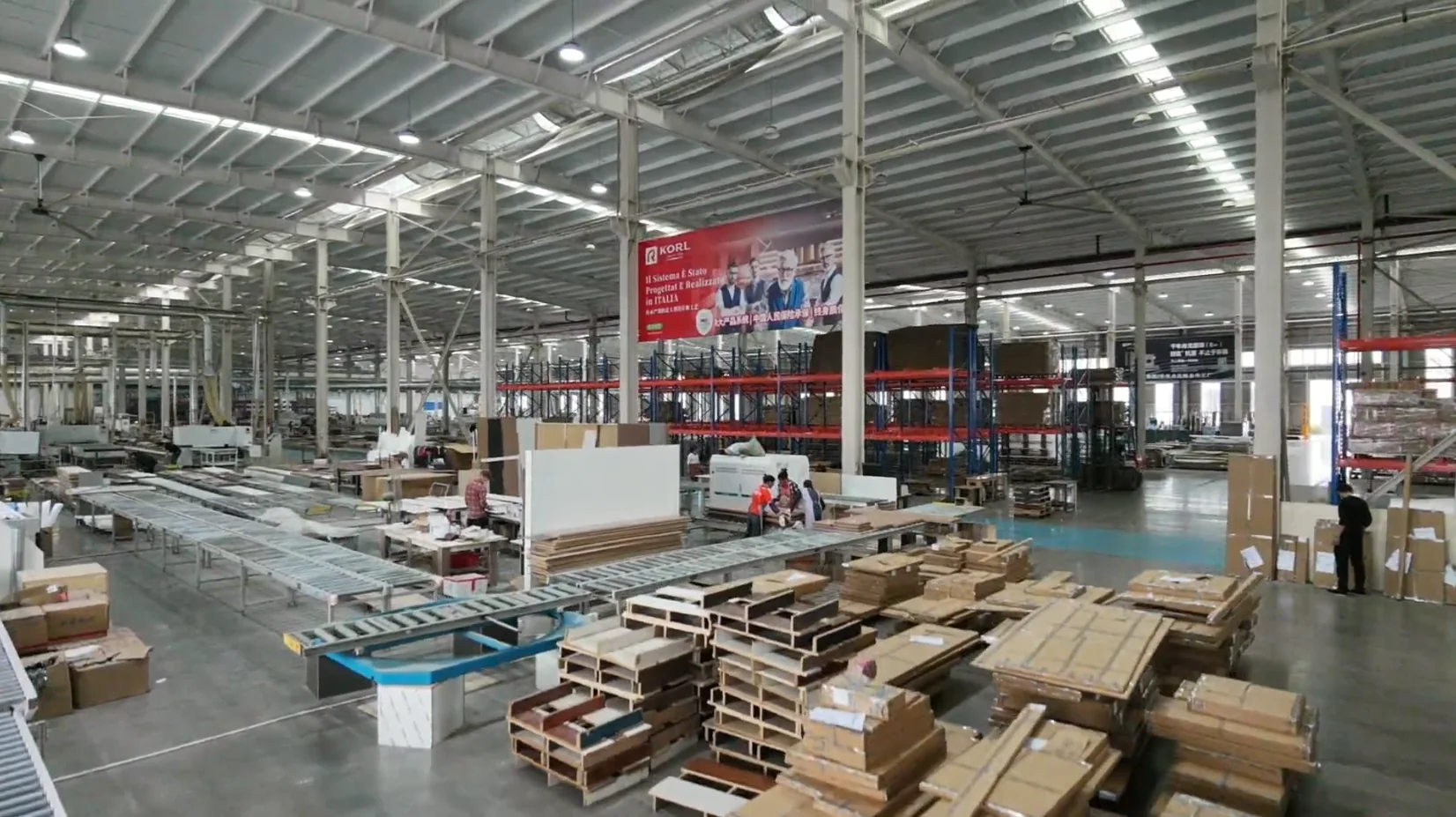
When an interior shipment arrives, the first hour matters. Packages are moved, labels disappear behind stacks and small problems become difficult to trace.
A simple receiving record helps the buyer, supplier and logistics team look at the same facts. It does not need to be complicated.
Before the vehicle arrives
Prepare the latest packing list, delivery documents and contact details for the project manager, supplier and logistics company.
The site should also have:
- a safe unloading plan;
- suitable equipment;
- a protected inspection area;
- dry, controlled storage space;
- a phone or camera with enough storage;
- one person responsible for the record.
If packages are grouped by room, floor or product type, tell the unloading team before work begins.
Take overview photos first
Photograph the vehicle, container opening and visible package arrangement before anything is moved.
Record obvious issues such as leaning packages, torn wrapping, punctures, crushing, loose items or signs of water. Do not enter an unsafe area just to get a better photo.
These first images show the arrival condition. They are hard to recreate later.
Keep every package connected to its label
Take one full-package photo and one readable label photo. If the package is moved into storage, record where it was placed.
A simple file name works well:
`Package 12 – Kitchen – Storage A`
The goal is to avoid a camera roll full of close-ups that cannot be matched to the packing list.
Compare the count with the latest list
Count packages before opening them. If the number looks wrong, check the document revision and whether one package contains several listed items.
Also look for:
- products shipped separately;
- small accessory packages;
- unusually shaped items;
- labels that are missing or difficult to read.
Write down which packing-list version you used. A count without a document reference is difficult to review.
Photograph visible damage in context
Start wide, then move closer:
- show where the package is located;
- show the full package and label;
- show the affected area;
- take a close-up;
- add a ruler or measurement reference if useful and safe.
Describe what you can see. "Puncture on the upper side of package P-12" is more useful than guessing that the product inside is damaged.
Do not throw away labels, wrapping or damaged material until the relevant parties confirm that the record is complete.
Open packages in a controlled order
Some products should remain protected until installation. Others may need an early check. Decide which packages to open and who should be present.
When opening a package, photograph:
- the label before opening;
- the internal arrangement;
- visible protection;
- item references;
- accessible faces and edges;
- the protection after it is restored.
If something appears missing or damaged, pause and follow the agreed reporting process.
Store the products properly
Keep labels visible and room groups together. Avoid placing heavy packages on fragile ones. Reprotect anything that was opened and record the storage location.
Different products have different storage needs. Follow the instructions for the actual product and the conditions on site.
Send a short receiving report
The first report should include:
- arrival date and location;
- packing-list reference;
- package count;
- overview photos;
- a list of visible exceptions;
- clear photos for each exception;
- the immediate action taken;
- questions that need a reply.
Contract, carrier and insurance terms may set their own reporting deadlines. Follow the terms agreed for the shipment.
The best receiving record is factual and easy to follow. Photograph before moving, keep labels connected to packages and report exceptions while the evidence is still clear.