
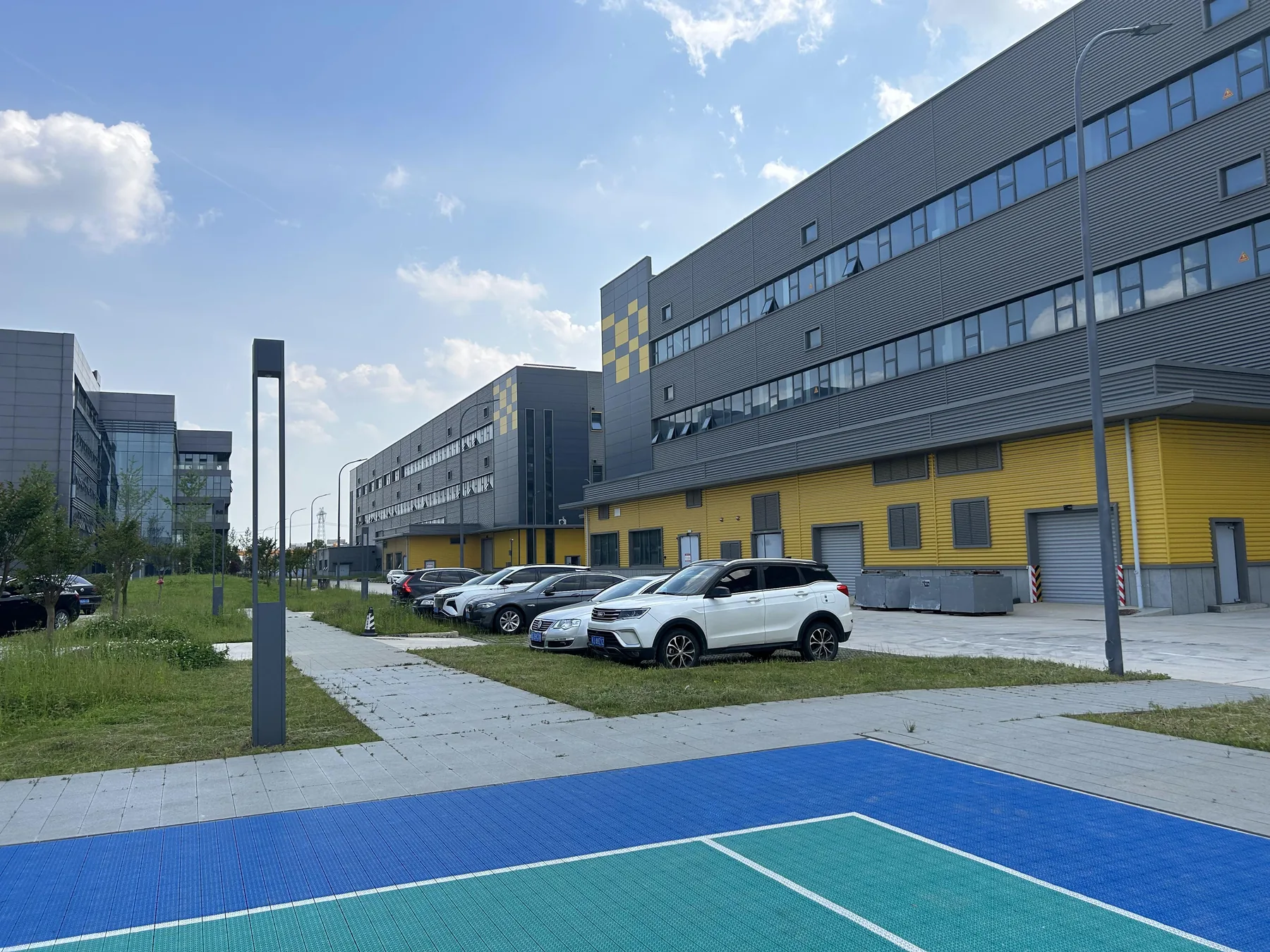
Factory photos are useful when you are comparing suppliers overseas. They show more than a catalogue, especially when the images include machinery, work in progress, stock and packing areas.
They also invite quick conclusions. A large workshop can look capable. Rows of stock can look reassuring. Neither tells you whether the site, process or material fits your order.
What you can see in a factory photo
A clear and recent image may show:
- the layout of the photographed area;
- types of equipment;
- materials or components present at that time;
- people carrying out a visible task;
- work in progress;
- racks, aisles and staging areas;
- finished or packed products.
Describe what is actually visible. "Panel components are being processed on this line" is reasonable. "This factory can produce our full order on time" needs much more evidence.
What the photo does not prove
One image cannot confirm:
- who owns or operates the site;
- whether the site will make your product;
- monthly output or available capacity;
- quality across different batches;
- maintenance and calibration records;
- certification scope;
- current stock availability;
- production or delivery time.
Ask direct questions when any of these points affect the purchase.
Give machinery some context
The machine itself is not the main question. Ask what it does and whether that operation belongs to the proposed production route.
Useful questions include:
- Which product uses this machine?
- What happens before and after this stage?
- Which drawing or file controls the work?
- What check follows the operation?
- Will this process apply to our order?
A short live video call can be more informative than a polished image because you can ask the guide to move from one stage to the next.
Do not mistake visible stock for available stock
Panels and packages in a photograph may be raw material, work in progress, finished goods or another customer’s order. Some may already be reserved.
If stock matters, ask for the exact product reference, finish, quantity and status. A wide warehouse photo cannot answer those questions.
Look for relevance, not just scale
A smaller image set that follows one relevant product can be more useful than twenty general factory photos.
For example, ask for:
- the material before processing;
- the main production stage;
- a visible quality check;
- finished components;
- packing or staging.
This gives you a clearer view of the proposed route without pretending that the photos replace an inspection record.
Add other evidence where it matters
Factory photos are stronger when they are supported by:
- a live walk-through or visit;
- samples with clear references;
- drawings and specifications;
- product-specific test reports where required;
- agreed inspection records;
- packing and package-identification records.
The amount of evidence should match the value and risk of the order.
How GREENWAY uses factory images
GREENWAY publishes approved photographs of production bases, machinery, work areas, stock, packing and customer visits. They give buyers a real view of the business.
Our approved company facts are four production bases, more than 100,000 square meters in total, more than 500 employees and supply to more than 80 countries. These facts are company information. They are not conclusions drawn from one photograph.
For a specific enquiry, GREENWAY confirms the relevant product, production arrangement and evidence separately.
Factory photos are a starting point for better questions. Use them to understand what may be possible, then verify the points that affect your order.